
 By
By 
Energy costs don’t usually spike because of one dramatic problem. More often, it’s a bunch of small inefficiencies-tiny air leaks, weak glass performance, sun exposure, and humidity-adding up month after month. The good news: you don’t always need a full remodel to see meaningful savings. The right window upgrades can reduce heat loss in winter, cut heat gain in summer, and help your HVAC system run less often (and less hard).
Below are eight window upgrades that can genuinely lower energy bills-especially in climates where you deal with cold snaps, humid summers, and big temperature swings.
1) Upgrade to double- or triple-pane glass
If your home still has older single-pane windows (or early double-pane units that have lost their seal), upgrading to modern insulated glass is one of the biggest efficiency jumps you can make. Double-pane glass adds an insulating airspace between panes, slowing heat transfer. Triple-pane goes further, increasing insulation and reducing drafts and cold spots near the glass.
Why it saves: Less heat escapes in winter and less heat enters in summer, so your system cycles less frequently.
2) Choose Low-E glass coatings
Low-emissivity (Low-E) coatings are thin, nearly invisible layers on the glass that reflect infrared heat. Depending on the coating type, Low-E can help keep indoor heat inside during colder months, and reflect unwanted solar heat away during warmer months.
Why it saves: Your home maintains a steadier indoor temperature with less HVAC “catch-up” time after weather changes.
3) Add gas fills between panes (argon or krypton)
Many high-performance windows replace the standard air space between panes with inert gases like argon (common) or krypton (higher performance, often used in thinner gaps). These gases conduct less heat than air, improving the window’s insulating value.
Why it saves: Reduced heat transfer through the glass equals fewer temperature swings and lower runtime for heating/cooling.
4) Improve the frame material and thermal breaks
Glass gets most of the attention, but frames matter a lot. Some frame types insulate better than others, and quality designs use “thermal breaks” to reduce heat movement through the frame itself. If your existing frames are older aluminum without thermal breaks, they can act like heat highways.
Why it saves: Better frames reduce conductive heat loss/gain and help eliminate cold-to-the-touch window edges that trigger thermostat overcompensation.
5) Upgrade weatherstripping and air sealing
Even excellent glass can’t overcome air leaks. Worn weatherstripping, gaps in the sash, and aging seals are prime culprits for drafts. Newer, tighter window designs often include better compression seals, interlocking sashes, and improved perimeter sealing.
Why it saves: Stopping drafts reduces the constant “invisible load” on your HVAC system-especially during windy days and cold nights.
6) Ensure proper installation and insulation around the opening
A window can be energy efficient on paper and still underperform if it’s installed poorly. Gaps around the rough opening, missing insulation, or improper flashing can lead to air leakage and moisture intrusion-both of which reduce efficiency and can cause long-term damage.
Why it saves: Correct insulation and air sealing around the frame prevents hidden leaks and keeps conditioned air inside where you’re paying for it.
If you’re researching window replacement NY, prioritize installers who emphasize air sealing and insulation details-not just the brand of window.
7) Choose the right glazing for sun exposure (solar heat gain control)
Not all windows should be the same on every side of your home. South- and west-facing windows can take a beating from intense afternoon sun, while north-facing windows often benefit from maximizing insulation. A key metric here is Solar Heat Gain Coefficient (SHGC), which measures how much solar heat comes through.
Why it saves: Lower SHGC on sun-heavy exposures can reduce summer cooling costs; higher SHGC in cooler regions can help capture helpful winter warmth (when appropriate).
8) Consider interior upgrades: insulating shades and cellular blinds
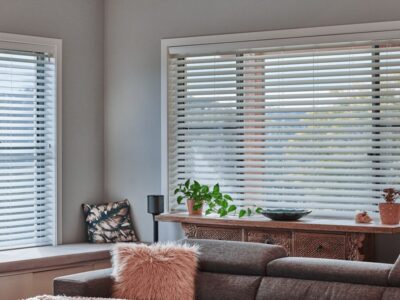
If you’re not replacing windows immediately-or you want to boost performance further-insulating window treatments can help. Cellular (honeycomb) shades are designed to trap air in pockets, adding insulation. Even well-fitted thermal curtains can reduce nighttime heat loss.
Why it saves: You add another barrier that reduces heat transfer, especially during peak temperature differences (cold nights, hot afternoons).
A quick way to pick upgrades that pay off
If you’re trying to prioritize, focus on the upgrades that address air leakage first, then glass performance, then sun control:
- Drafts/leaks and installation gaps
- Double/triple-pane + Low-E + gas fill
- Exposure-based glazing choices and shading
When windows are properly sealed and upgraded with modern glass and frames, the payoff isn’t just a lower utility bill. You’ll usually feel it right away: fewer hot/cold spots, less outside noise, and a more consistent indoor temperature-without constantly adjusting the thermostat.







Comments