
 By
By 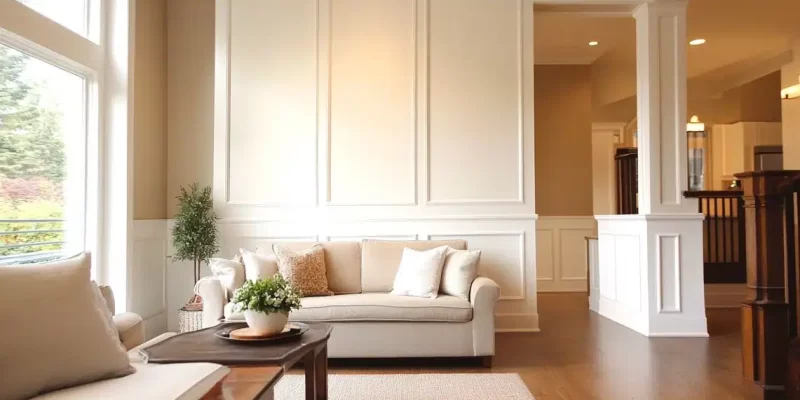
Interior designers often say that walls create space, but trim defines it. Baseboards, door casings, and crown moulding quietly frame every room in a home. While homeowners frequently focus on wall colours, professionals know that painting trim and molding can dramatically change the way a room feels, looks, and even how large it appears.
Instead of treating trim as a minor detail, many modern interior designers treat it as an architectural feature that shapes the overall design language of the home.
How Trim Frames the Architecture of a Room
Trim acts like the outline in a drawing-it defines edges and creates structure. Without trim, walls, floors, and ceilings would blend visually.
Architectural trim typically performs three important roles:
- Visual separation between different surfaces
- Structural protection for corners and wall edges
- Decorative framing that enhances architectural style
Because of these roles, the colour chosen for trim can strongly influence how the entire room is perceived.
Color Contrast: A Designer’s Hidden Tool
One of the most effective strategies designers use in painting trim and molding is colour contrast. The trim does not always need to match the walls.
Instead, contrast can highlight architectural details and give rooms more dimension.
Common contrast combinations include:
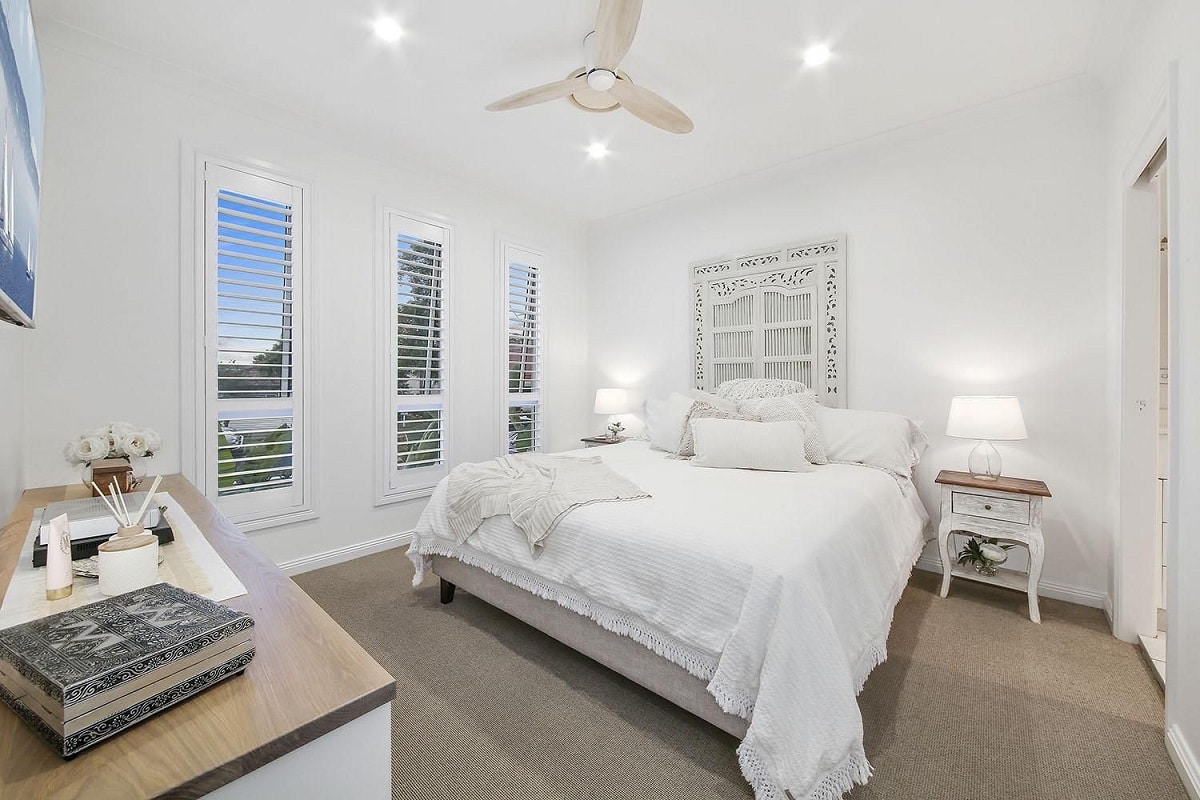
Classic White Trim + Dark Walls
- Creates bold visual framing
- Popular in modern and transitional interiors
Soft Cream Trim + Neutral Walls
- Produces a warm, traditional look
- Often used in heritage homes
Black Trim + Light Walls
- Adds dramatic contrast
- Works well in contemporary spaces
These combinations help rooms appear more structured and visually balanced.
Architectural Styles and Their Trim Personalities
Different architectural styles use trim in unique ways. When homeowners understand this, they can make better design decisions.
Traditional Homes
Traditional interiors usually feature thicker trim with decorative crown moulding. Light colours often highlight the ornate details.
Modern Homes
Modern architecture favours minimal trim with sharp lines. In these spaces, subtle colour changes can still define edges without overpowering the design.
Craftsman Homes
Craftsman-style houses often use wider baseboards and window casings, creating strong visual framing around doors and windows.
Understanding these styles allows homeowners to use painting trim and molding to complement the architecture instead of competing with it.
How Trim Influences Perception of Space
Trim color can also change how large or tall a room appears.
Interior designers sometimes use these visual tricks:
- Matching trim to wall color can make rooms feel larger
- Darker trim tones create stronger architectural definition
- Bright trim with darker walls can make ceilings appear higher
These subtle visual effects help designers manipulate space without structural renovations.
Why Designers Rarely Ignore Trim
Even though trim covers a relatively small portion of wall surfaces, it has a powerful influence on the overall look of a room.
Thoughtful painting trim and molding can:
- Emphasize architectural beauty
- Balance wall colors within a space
- Create visual rhythm between rooms
- Elevate the entire interior design
For homeowners planning interior updates, paying attention to trim details can turn a simple paint project into a refined design upgrade.







Comments