
 By
By 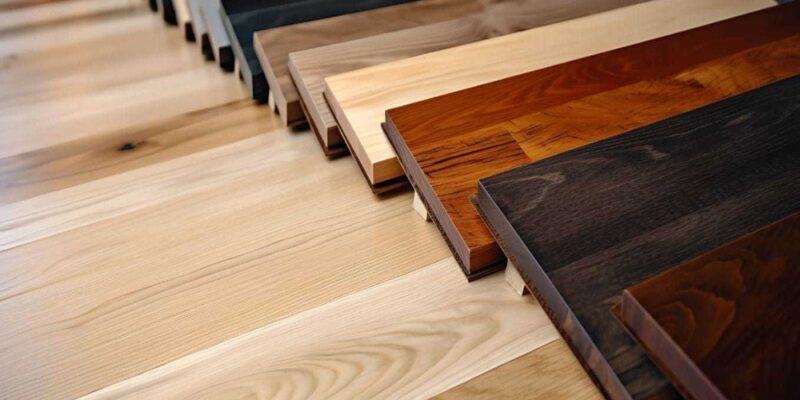
Walk into any well-loved Australian home and the floor usually says something before the walls do. There is a particular quality to hardwood that other materials keep trying to replicate – and keep falling short of. For a long time, getting that quality meant spending well beyond what most renovation budgets allowed. That has genuinely changed. Cheap hardwood flooring materials have moved into a category where the performance is real, the options are wider than most people realise, and the trade-offs that used to come with the lower end of the market have largely disappeared.
Species Worth Knowing
Oak and spotted gum take up most of the conversation, but they are far from the only timbers worth considering. Blackbutt and tallowwood, for instance, are species that punch well above their price point. Both handle high-traffic areas without flinching. Blackbutt also carries a strong natural fire resistance rating – something carpet and vinyl simply cannot claim, regardless of how much they cost. Choosing timber based on species behaviour, rather than name recognition alone, opens up options that most homeowners walk straight past.
Maintenance Is Simpler Than the Industry Suggests
There is a tendency in flooring marketing to overstate how much care hardwood requires. The honest version is much simpler. Standing water left sitting is the main threat – not foot traffic, not dust, not pets. A well-placed doormat at each entry point does more practical work than most specialist cleaning products combined. Beyond that, most Australian hardwood species contain natural tannins that quietly resist surface mould, which is genuinely useful in the humid coastal conditions that affect a large portion of the country. Cheap hardwood flooring materials do not require a complicated maintenance routine to stay in good shape.
Refinishing Makes the Economics Work Differently
The ability to sand and recoat a hardwood floor is not just a convenience – it fundamentally changes how the investment should be calculated. Each refinish resets the floor’s surface condition, which means the original installation carries useful life well beyond what upfront price comparisons against laminate or vinyl would suggest. Homeowners who think about cost across the full life of a floor, rather than just the day of purchase, tend to land in a very different place. Affordable hardwood flooring materials often cost less per year of actual use than the alternatives that looked cheaper at the point of sale.
Air Quality Is a Practical Concern, Not a Selling Point
Carpet does more than collect dust. The fibres create a stable environment where dust mites breed, feed, and produce the waste particles that trigger breathing problems in sensitive individuals. Removing carpet removes that environment entirely. In Queensland and along the New South Wales coast, where humidity keeps mite populations active for most of the year, switching to hardwood has real health relevance. This is not marketing language – it is a straightforward consequence of removing the habitat those allergens depend on.
Grading Is About Appearance, Not Strength
Lower-grade timber gets misread constantly. The grading system in hardwood flooring describes visual character – knots, grain movement, natural variation – not structural quality. A lower-grade board from a strong species shares the same hardness and durability as a select-grade board from the same tree. Some designers deliberately specify lower grades because the visual warmth they carry is difficult to manufacture artificially. Writing off budget timber as weaker is a misreading of what the grading system actually measures.
Buyers at Open Homes Notice Floors First
Timber flooring creates a first impression that registers before buyers consciously process the rest of the room. That response does not depend on what the floor cost – it depends on how the floor reads in the space. Buyers rarely investigate the source or grade of a timber floor during an inspection. What they walk away with is a perception of quality, care, and lasting value. That gap between perceived worth and actual outlay is one of the more underused arguments for installing hardwood regardless of where the budget sits.
Conclusion
Cheap hardwood flooring materials carry more substance than they are usually given credit for. The real shift in thinking comes when homeowners move past surface-level comparisons and look at species behaviour, subfloor preparation, grading logic, and long-term use. Each of those factors closes the gap between budget and premium options considerably. Across air quality, property perception, and refinishing economics, affordable hardwood consistently delivers beyond its price point. For Australian homeowners working through their flooring options, it is a category that deserves a much more serious look than the price tag alone would suggest.



Comments