
 By
By 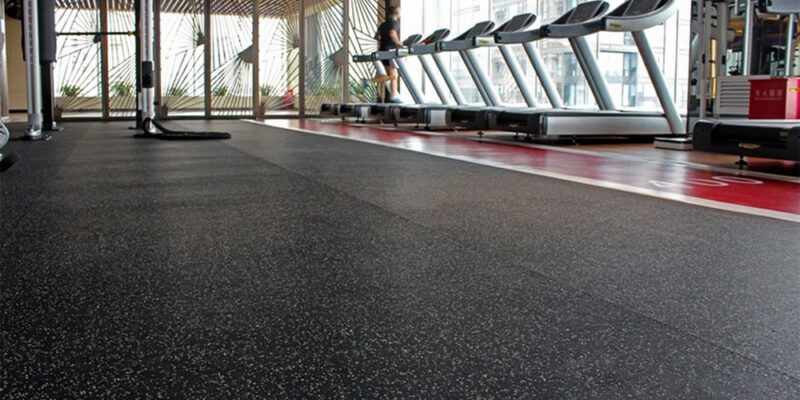
Rubber flooring has emerged as one of the most practical and performance-driven flooring options across residential, commercial, and industrial environments. Known for its resilience, safety features, and low maintenance requirements, rubber flooring delivers long-term value while meeting the functional demands of high-traffic and impact-prone areas. As design and manufacturing technologies have advanced, rubber flooring now offers a wide range of textures, colors, and formats, making it both a technical and aesthetic choice.
What Is Rubber Flooring?
Rubber flooring is manufactured from natural rubber, synthetic rubber, or a blend of both. It is typically available in rolls, tiles, or interlocking mats, allowing flexibility in installation based on space requirements. Its inherent elasticity and density make it highly resistant to wear, compression, and surface damage, even under heavy loads and constant use.
Key Advantages of Rubber Flooring
One of the most significant advantages of rubber flooring is its durability. Unlike many traditional flooring materials, rubber maintains its structural integrity over time, resisting cracking, chipping, and surface abrasion. This makes it particularly suitable for areas exposed to heavy foot traffic, rolling equipment, or dropped objects.
Safety is another defining benefit. Rubber flooring offers excellent slip resistance, even in wet or humid conditions, reducing the risk of accidents. Its shock-absorbing properties also help minimize impact injuries, making it ideal for environments where people are active or on their feet for long periods.
Comfort is often overlooked in flooring decisions, but rubber excels in this area. Its cushioned surface reduces strain on joints and muscles, improving user comfort and productivity. This is especially valuable in workplaces, fitness areas, and standing-intensive environments.
Common Applications of Rubber Flooring
Rubber flooring is widely used across diverse sectors due to its adaptability. In fitness and sports facilities, it provides impact absorption, noise reduction, and protection for both users and equipment. Its ability to withstand heavy weights and repetitive movement makes it a preferred choice for gyms and training centers.
Educational institutions also benefit from rubber flooring, particularly in corridors, play areas, and multipurpose halls. The material’s durability and safety features support high daily usage while maintaining a clean and professional appearance.
Healthcare facilities often select rubber flooring for its hygienic properties. It resists moisture, does not harbor dust easily, and can be installed with minimal seams, contributing to better indoor air quality and easier sanitation.
Commercial and industrial spaces use rubber flooring for its resistance to chemicals, oils, and heavy machinery. Warehouses, factories, and workshops rely on rubber flooring to protect subfloors and improve worker safety.
Design and Aesthetic Flexibility
Modern rubber flooring is no longer limited to basic black or gray finishes. Manufacturers now offer a wide spectrum of colors, patterns, and surface textures. From smooth, minimalist designs suitable for corporate interiors to speckled or textured finishes that hide wear in high-traffic zones, rubber flooring can complement various design concepts.
Custom thickness options also allow designers and facility managers to select the appropriate performance level, whether the priority is sound insulation, impact resistance, or comfort underfoot.
Installation and Maintenance
Rubber flooring installation is relatively straightforward, especially when compared to more rigid flooring systems. Tiles and rolls can be installed using adhesives or loose-laid systems, depending on the application. Proper subfloor preparation is essential to ensure longevity and optimal performance.
Maintenance is one of rubber flooring’s strongest selling points. Routine cleaning typically involves sweeping and damp mopping with mild detergents. The material does not require polishing, sealing, or complex treatments, significantly reducing long-term maintenance costs. Its resistance to stains and moisture further simplifies upkeep.
Environmental and Sustainability Considerations
Many rubber flooring products are manufactured using recycled materials, contributing to sustainability goals and reduced environmental impact. Additionally, rubber flooring’s long lifespan means fewer replacements over time, lowering material waste and resource consumption. Some products also meet low-VOC emission standards, supporting healthier indoor environments.
Why Choose Rubber Flooring?
Rubber flooring stands out as a comprehensive flooring solution that balances performance, safety, comfort, and aesthetics. Its versatility allows it to perform effectively in demanding environments while maintaining a professional appearance. For facilities seeking a long-lasting, cost-effective, and low-maintenance flooring option, rubber flooring represents a sound investment.
As building standards increasingly emphasize safety, durability, and sustainability, rubber flooring continues to gain recognition as a future-ready choice. Whether for commercial, educational, healthcare, or recreational spaces, rubber flooring Dubai delivers consistent performance and dependable value over the long term.





Comments