
 By
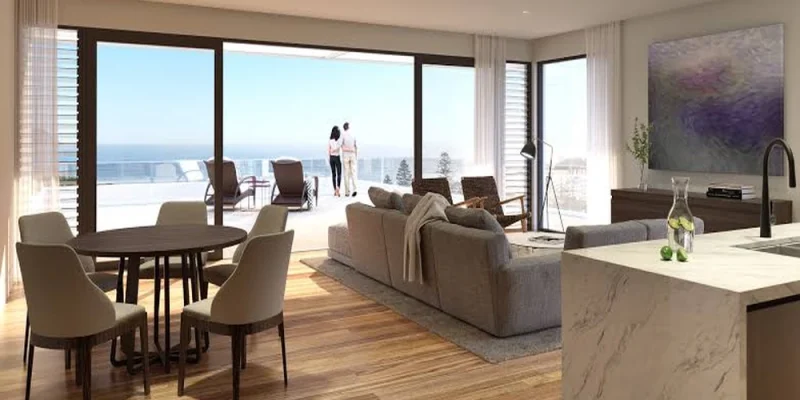
You buy an apartment in Sydney. You want to update the kitchen, change the floors, or rebuild the bathroom. Then reality hits.
You do not own the whole building. You own the airspace inside your unit. Everything else connects to common property.
Before you swing a hammer or strip a tile, you need strata approval. If you skip this step, the owners corporation can force you to stop work, tear down your changes, and return the room to its original state. That mistake costs tens of thousands of dollars.
I have spent decades watching people make the same errors with their applications. Getting approval is not luck. It is about understanding the system, preparing proper plans, and submitting the exact paperwork the strata committee expects.
If you want smooth apartment renovations Sydney property owners recommend, you must treat the approval process as step one of your construction schedule.
Here is how you navigate the entire process from start to finish.
The Three Tiers of Renovation Work in New South Wales
The New South Wales Strata Schemes Management Act divides all apartment work into three categories. You need to know where your project sits before you submit anything.
Cosmetic Work
Cosmetic work requires zero strata approval. You can complete these tasks immediately:
- Painting interior walls
- Laying carpet
- Hanging pictures or installing hooks
- Installing built-in wardrobes inside bedrooms
- Replacing minor internal fixtures like blinds
Minor Renovations
Minor renovations require approval by an ordinary resolution at a general meeting, or from the strata committee if a by-law permits it. More than fifty percent of voters must agree.
Examples of minor renovations include:
- Kitchen renovations where you replace cupboards or benchtops
- Installing recessed light fixtures
- Changing internal doorways
- Installing timber, hybrid, or tiled hard flooring
- Installing ceiling fans or heat pumps
Hard flooring always triggers strict checks. Your committee will demand acoustic underlay tests to ensure your neighbors downstairs do not hear foot traffic.
Major Renovations
Major renovations affect the structural integrity of the building, outside appearance, or waterproofing. These projects require a special resolution. You need at least seventy-five percent approval at a general meeting.
Major work includes:
- Any bathroom renovation involving new waterproofing
- Removing load-bearing or structural walls
- Changing the building exterior, such as balcony screens
- Altering plumbing, gas, or electrical lines in common walls
- Installing ducted air conditioning through roof cavities
The Step-by-Step Approval Roadmap
Do not leave your paperwork to chance. Follow this exact workflow to secure your permit.
Step 1: Review Your Strata By-Laws
Every building operates under specific rules. Request a copy of your building by-laws from your strata manager.
Look for special by-laws covering:
- Work hours, usually restricted to weekdays between seven in the morning and five in the evening
- Lift protection rules and booking fees
- Waste removal and bin usage
- Acoustic underlay standards for flooring
Step 2: Prepare Detailed Plans
The owners corporation wants certainty. They reject vague applications because risk exposes the whole building to damages.
Your submission must include:
- Architectural drawings and scopes of work
- Acoustic performance certificates for flooring
- Structural engineering reports if walls move
- A list of all materials and products
Step 3: Gather Trade Credentials
Your builder must carry the proper credentials. Never hire an unlicensed contractor for apartment work.
Collect these documents from your builder:
- Current New South Wales builder licence
- Certificate of currency for workers compensation insurance
- Public liability insurance covering at least twenty million dollars
- Home Building Compensation Fund certificates for projects over twenty thousand dollars
Step 4: Lodge the Application and Secure the By-Law
For major renovations, you must hire a strata lawyer to draft a specific by-law for your lot. This by-law makes you permanently responsible for maintaining, repairing, and replacing the renovated areas.
Submit your application pack to the strata secretary or manager. Ask them to place your motion on the agenda for the next general meeting. If the next meeting sits months away, you can pay to convene an extraordinary general meeting.
Why Working With an Apartment Specialist Matters
Managing building managers, strata committees, and neighbors is an art. It takes time, patience, and organized paperwork.
This is why I suggest working with an established team like Fine Touch Group. They are a family-owned renovation company with over thirty years of experience and more than one thousand completed projects across Sydney.
They hold a valid New South Wales builder licence and stand behind their bathroom and wet-area work with a six-year waterproofing warranty.
What separates them from standard builders is their administrative handling. They maintain a strong success rate with Sydney building managers because they understand how strata operations work. They prepare the exact plans, tradesperson insurance packs, and technical scopes committees require.
- Bathroom renovations start from twenty-eight thousand dollars, delivering full waterproofing and modern layouts.
- Kitchen renovations start from thirty-one thousand dollars, including custom cabinetry and stone benchtops.
- Complete apartment renovations start from eighty-five thousand dollars, covering living spaces, flooring, joinery, and wet areas.
Every quotation they produce includes an itemised, fixed price and a free three-dimensional model of your proposed room before construction starts. They schedule all trades, protect common areas like hallways and lifts, and send remote progress updates if you live elsewhere during construction.
Avoid These Common Strata Mistakes
Many apartment owners lose months to simple, avoidable errors. Keep these rules in mind:
- Never assume a non-bearing wall can come down without an engineer report. Strata managers will request formal verification.
- Do not order materials before you receive written approval from your committee. If the motion fails, you will lose restock fees.
- Account for meeting notice periods. By law, committees must give written notice before voting, which adds two to three weeks to your schedule.
- Always protect common property. If a tradesperson damages a lobby mirror or scratches a lift wall, the owners corporation will charge the repairs to your levy account.
Take the Direct Route
Renovating an apartment brings tremendous satisfaction and increases your property value. But you must respect the collective ownership of the building.
Clear plans, licensed professionals, and proper notifications protect your investment. Treat the strata committee as a partner in your project, give them the documentation they need, and you will move through the process without delays.






Comments