
 By
By 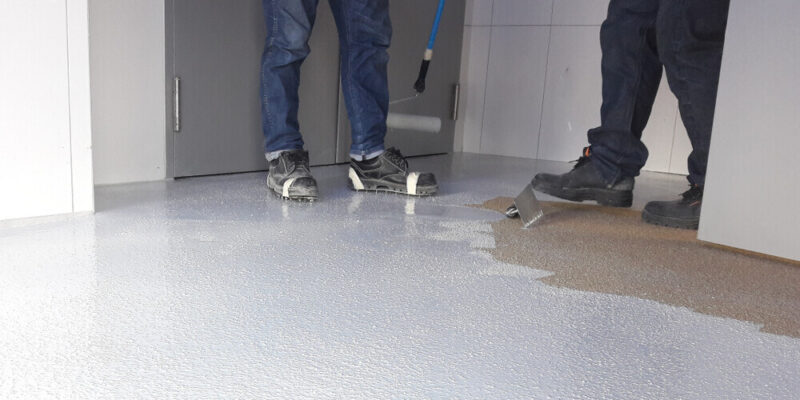
Epoxy floorings have rapidly become one of the most popular flooring solutions across residential, commercial, and industrial sectors. Known for their exceptional strength, seamless finish, and modern appearance, epoxy floorings offer a perfect combination of performance and aesthetics. From industrial warehouses and healthcare facilities to stylish homes and retail showrooms, epoxy floorings deliver long-lasting value while enhancing the overall functionality of a space.
What Are Epoxy Floorings
Epoxy flooring is created by applying a combination of epoxy resin and a hardening agent onto a properly prepared concrete surface. Once cured, this mixture forms a rigid, durable, and seamless coating that bonds strongly with the concrete base. The result is a smooth, non-porous surface that protects the floor from damage while providing a clean and polished look.
What sets epoxy floorings apart is their versatility. They can be customized in terms of color, thickness, texture, and finish, making them suitable for a wide range of environments, from heavy-duty industrial spaces to elegant residential interiors.
Key Benefits of Epoxy Floorings
Outstanding Durability
Epoxy floorings are designed to withstand extreme conditions. They can handle heavy foot traffic, machinery movement, impact, and abrasion without cracking or peeling. This durability makes epoxy an excellent choice for warehouses, factories, parking areas, and commercial facilities where floors experience constant stress.
Seamless and Hygienic Surface
One of the major advantages of epoxy flooring is its seamless nature. Without joints or gaps, there are no spaces for dust, dirt, or bacteria to accumulate. This makes epoxy floors easy to clean and maintain while promoting a hygienic environment. For hospitals, laboratories, food processing units, and pharmaceutical facilities, epoxy floorings are a highly practical solution.
Chemical and Moisture Resistance
Epoxy floorings are highly resistant to chemicals, oils, solvents, and moisture. This protective layer shields the underlying concrete from corrosion and damage, significantly extending the life of the floor. As a result, epoxy flooring is widely used in garages, workshops, industrial plants, and commercial kitchens.
Modern Aesthetic Appeal
Beyond functionality, epoxy floorings offer impressive design flexibility. Available in glossy, matte, metallic, flake, and textured finishes, epoxy floors can be customized to suit different interior styles. Decorative elements such as color flakes and metallic pigments can create visually striking patterns, giving floors a sleek and contemporary look suitable for offices, showrooms, and luxury homes.
Cost-Effective Long-Term Investment
Although professional installation is required, epoxy floorings are cost-effective in the long run. Their durability and low maintenance needs reduce repair and replacement costs over time. Property owners benefit from a flooring solution that delivers consistent performance without frequent upkeep.
Types of Epoxy Floorings
Self-Leveling Epoxy Flooring
Self-leveling epoxy is applied over existing or new concrete surfaces to create a smooth and even finish. It is commonly used in commercial spaces, warehouses, and showrooms where a clean and professional appearance is essential.
Epoxy Mortar Flooring
Epoxy mortar flooring is the most durable epoxy system available. Designed to withstand extreme impact and heavy loads, it is ideal for industrial environments such as factories, mechanical rooms, and loading docks.
Quartz-Filled Epoxy Flooring
Quartz-filled epoxy combines epoxy resin with colored quartz grains, creating a decorative and slip-resistant surface. This type of flooring is suitable for areas where safety is a priority, such as locker rooms, kitchens, restrooms, and commercial facilities.
Metallic Epoxy Flooring
Metallic epoxy floorings use metallic pigments to create a unique, three-dimensional effect with a glossy finish. These visually striking floors are popular in high-end residences, retail stores, hotels, and entertainment venues.
Applications of Epoxy Floorings
Residential Spaces
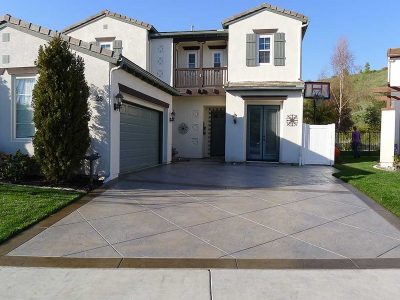
In homes, epoxy floorings are increasingly used in garages, basements, kitchens, and even living areas. Their sleek appearance, durability, and ease of cleaning make them an attractive alternative to traditional flooring materials such as tiles or stone.
Commercial Environments
Offices, shopping malls, retail outlets, and showrooms benefit from epoxy floorings due to their professional look and long-lasting performance. Custom colors and patterns can also be used to reflect brand identity and create memorable customer experiences.
Industrial and Healthcare Facilities
Factories, warehouses, hospitals, and laboratories rely on epoxy floorings for their strength, hygiene, and chemical resistance. These environments require flooring solutions that meet strict safety and performance standards, making epoxy an ideal choice.
Maintenance and Care Tips
Epoxy floorings are known for their low maintenance requirements. Simple care routines help maintain their appearance and performance:
- Sweep or dust mop regularly to remove debris.
- Clean with mild detergent and water when needed.
- Avoid abrasive or harsh cleaning agents.
- Use protective pads under heavy equipment or furniture.
- Repair minor damages promptly to preserve the surface.
With proper care, epoxy floorings can last for many years while retaining their visual appeal.
Conclusion
Epoxy floorings dubai offer a powerful combination of durability, hygiene, and modern design, making them suitable for a wide range of applications. Their seamless finish, resistance to chemicals and moisture, and low maintenance requirements make them a preferred flooring solution for contemporary spaces.
Whether used in residential interiors, commercial properties, or industrial facilities, epoxy floorings provide long-term value and enhanced functionality. By selecting the right epoxy system and ensuring professional installation, property owners can enjoy a high-performance flooring solution that meets both practical and aesthetic demands.











Comments