
 By
By 
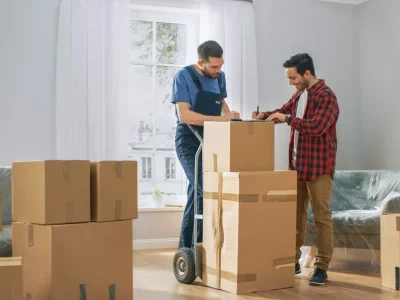
A Kansas City family closes on a house they love, moves in over a weekend, and discovers flea bites along their ankles three days later. They have no pets. The previous owner took their dog with them. The carpets look clean. Nothing about the situation matches what people expect of a flea infestation, which is why it catches so many homeowners off guard. Kansas City pest control companies that field these calls regularly, including ZipZap Termite & Pest Control in Lawson, see the same pattern every year: fleas have been waiting in the structure for months, sometimes longer, and the vibration of the new occupants moving in triggered the hatch. Understanding why this happens changes both the diagnosis and the treatment.
Fleas Do Not Require a Pet to Establish
The default assumption about fleas is that they arrive with a cat or dog. Cats and dogs do carry the common cat flea (Ctenocephalides felis), which is the species responsible for nearly all domestic flea problems in the United States. What most homeowners miss is that the same species feeds readily on wildlife, and the wildlife passing through or living near a Kansas City home rarely gets attention as a flea source.
Raccoons, opossums, feral cats, squirrels, and rodents all carry cat fleas. A raccoon resting under a deck, an opossum sheltering in a crawl space, a stray cat sleeping on a porch, a squirrel nesting in an attic, or mice establishing in a basement can all seed a structure with flea eggs that drop off the host and develop in carpet, pet bedding left behind, or the soil of a yard where these animals regularly pass.
When the wildlife source leaves, the fleas do not. They continue through the life cycle inside the structure, which is where the next part of the biology becomes relevant.
The Flea Life Cycle and the Dormant Pupa Problem
Cat fleas pass through four stages: egg, larva, pupa, adult. The timing of each stage depends on temperature, humidity, and, critically, the presence of a host.
Adult females lay eggs on the host, which fall into carpet, cracks between floorboards, bedding, and soil. Eggs hatch into larvae within a few days under warm conditions. Larvae feed on organic debris, molt twice, and spin a cocoon to enter the pupal stage. And then, under the right conditions, they wait.
Pupae can remain dormant in the cocoon for weeks under normal conditions. Under less favorable conditions, including a home without a host, they can remain dormant for months. The University of Kentucky Entomology program and Iowa State University have both documented pupal dormancy exceeding six months in controlled studies, and field observations in vacant homes support even longer survival under the right combination of temperature and humidity.
Emergence is triggered by vibration, carbon dioxide, and heat. The footsteps of new occupants walking across the floor signal the cocooned fleas to complete development and emerge within minutes to hours. This is why a flea infestation in a supposedly pet-free home often appears in a sudden, concentrated wave the first day new people arrive.
Why the Vacuuming Step Is Underrated
A common mistake in flea treatment is relying on chemical treatment alone. The life cycle stages respond differently to intervention, and vacuuming addresses stages that sprays often miss.
Adult fleas are susceptible to most treatments. Eggs and larvae in carpet fibers are less protected. Pupae, sealed inside cocoons, are highly resistant to chemical treatment because the cocoon itself blocks penetration of most residual products.
Vacuuming mechanically removes eggs, larvae, and pupae, and the vibration also triggers dormant pupae to emerge (making them vulnerable to subsequent treatment). Research at the Ohio State University and the University of Florida has demonstrated that vacuuming alone can remove up to 96 percent of adult cat fleas and substantial proportions of immature stages, with the vacuum’s beater bar providing most of the mechanical disruption.
The practical protocol is aggressive: vacuum every room showing activity daily for the first 10 to 14 days of treatment, including upholstered furniture, under beds, along baseboards, and any rugs or mats. The vacuum bag or canister contents should be emptied outside after each session.
Why Borate-Based Treatments Outperform Consumer Foggers
Most consumer flea treatment products fall into two categories: aerosol sprays and total-release foggers (“bug bombs”). Both deliver pyrethroid or similar residual products and both have significant limitations.
Foggers produce a fine mist that settles on exposed surfaces but does not penetrate into carpet fibers where the immature stages develop, under furniture, or into the cracks where pupae cocoon. Their coverage is inadequate for the actual problem.
Borate-based carpet treatments, applied as a dry powder worked into the carpet pile and then vacuumed out, function as an insect growth regulator and a residual that persists for months. The borate interferes with the molting process that larvae must complete to reach adulthood, eliminating the generation after treatment rather than just the adults visible at the moment of application.
Professional treatment usually combines several elements: direct application of an adulticide to infested areas, an insect growth regulator (methoprene or pyriproxyfen) that prevents larval development, and follow-up treatment timed to catch newly emerged adults from pupae that survived the initial application.
The Wildlife Connection That Keeps Getting Missed
A flea infestation that returns after treatment almost always indicates an ongoing wildlife source. Raccoons returning nightly to a crawl space opening, opossums nesting under a deck, feral cats sleeping on the porch, or rodents still active in the attic all continue to seed the environment with new flea populations.
Effective Kansas City pest control for fleas in homes without pets often requires addressing the wildlife issue before the flea problem can fully resolve. Sealing entry points to crawl spaces, removing wildlife harborage around the foundation, and treating yard areas where wildlife routinely passes all contribute to durable elimination.
When Professional Treatment Makes Sense
Small, localized flea problems in a single room can sometimes be resolved with thorough vacuuming and a residential borate application. Broader infestations, particularly those involving recent wildlife access or previous pet residency throughout the home, usually benefit from professional service. The treatment sequence requires timing that matches the life cycle, and a professional inspection often identifies the wildlife or rodent source that a homeowner treating the symptoms alone will miss.
Severe infestations that have persisted through previous treatment attempts, homes being prepared for sale, and properties with immunocompromised residents who cannot tolerate ongoing bite pressure all warrant faster intervention than DIY allows.
The Short Version
Fleas do not require a pet. Homes with recent wildlife access, rodent activity, or a previous owner’s pet can harbor dormant pupae for months, emerging only when new occupants trigger hatch. Effective treatment combines aggressive vacuuming, borate-based residual products, insect growth regulators, and resolution of the wildlife source that seeded the problem. For Kansas City homeowners dealing with an unexplained flea infestation, a Kansas City pest control provider such as ZipZap Termite & Pest Control can identify the source and run the treatment sequence properly rather than repeating the DIY cycle that leaves pupae intact to hatch later.








Comments