
 By
By 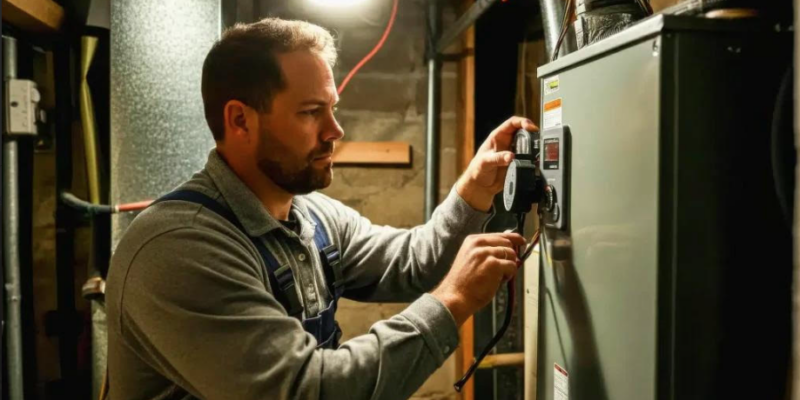
Heating systems are no longer just about staying warm-they’re about efficiency, cost control, and long-term comfort. With rising energy prices and growing awareness around sustainability, many homeowners are beginning to question whether their current setup is doing enough. If your energy bills keep climbing or your home struggles to maintain a consistent temperature, it may be time to rethink your approach.
Modern heating improvements offer smarter, more efficient solutions that not only enhance comfort but also reduce long-term costs. Knowing where to start can make all the difference.
Why Modern Heating Matters Today
Traditional heating systems often operate at lower efficiency levels, leading to wasted energy and uneven heating. Older boilers or furnaces can lose up to 30% of their efficiency over time, especially if they haven’t been properly maintained.
Modern systems, on the other hand, are designed with energy optimisation in mind. They use advanced controls, improved insulation compatibility, and intelligent automation to deliver consistent performance. This means fewer temperature fluctuations, lower energy consumption, and better overall comfort.
Smart Thermostats: Control at Your Fingertips
One of the easiest upgrades is installing a smart thermostat. These devices allow homeowners to manage heating remotely through mobile apps and learn daily habits to adjust temperatures automatically.
Instead of heating an empty home, smart thermostats optimise usage based on occupancy patterns. Over time, this can lead to noticeable savings-often up to 10-15% on heating bills.
They also provide insights into energy usage, helping homeowners make informed decisions about when and how to use heating more efficiently.
High-Efficiency Boilers and Furnaces
If your system is over 10-15 years old, replacing it with a high-efficiency model can significantly improve performance. Modern boilers and furnaces operate at efficiency levels of 90% or higher, compared to older systems that may only reach 60-70%.
This upgrade ensures:
- Faster and more consistent heating
- Reduced fuel consumption
- Lower maintenance issues over time
When you upgrade your heating system, you’re not just replacing old equipment-you’re investing in reliability and long-term savings.
Zoned Heating Systems for Better Comfort
Zoned heating divides your home into separate areas, each with its own temperature control. This means you can heat only the spaces you use, rather than the entire property.
For example, bedrooms can remain cooler during the day while living areas stay warm. This targeted approach improves comfort while reducing unnecessary energy use.
Zoning is especially useful in larger homes or properties with multiple floors, where temperature differences are more noticeable.
Underfloor Heating: A Modern Alternative
Underfloor heating is becoming increasingly popular for its efficiency and comfort. Unlike traditional radiators, which heat the air unevenly, underfloor systems distribute heat evenly across the entire floor surface.
Benefits include:
- Improved energy efficiency due to lower operating temperatures
- More usable wall space without bulky radiators
- Consistent warmth throughout the room
Although installation can be more complex, it is a worthwhile investment for homeowners planning long-term upgrades.
Improved Insulation and Heat Retention
Even the most advanced heating system won’t perform well if your home loses heat quickly. Improving insulation is a crucial step in maximising efficiency.
Key areas to focus on include:
- Loft and attic insulation
- Wall insulation (cavity or solid walls)
- Double or triple-glazed windows
- Sealing gaps around doors and windows
By reducing heat loss, your system doesn’t need to work as hard, which directly lowers energy consumption and costs.
Heat Pumps: The Future of Home Heating
Heat pumps are gaining attention as a sustainable alternative to traditional systems. They extract heat from the air or ground and use it to warm your home.
While the initial installation cost can be higher, heat pumps offer:
- Lower carbon emissions
- Reduced energy bills over time
- Compatibility with renewable energy sources
Governments in many regions are also offering incentives to encourage adoption, making them more accessible for homeowners.
Regular Maintenance and System Optimisation
Upgrading your system is only part of the solution. Regular maintenance ensures your heating system operates at peak efficiency.
Simple steps include:
- Annual servicing of boilers or furnaces
- Bleeding radiators to remove trapped air
- Checking for leaks or unusual noises
- Replacing filters where necessary
Consistent upkeep extends the lifespan of your system and prevents costly breakdowns.
The Cost vs. Value Perspective
Many homeowners hesitate to invest in heating improvements due to upfront costs. However, it’s important to consider the long-term value.
Modern systems can reduce energy bills significantly, often paying for themselves within a few years. Additionally, energy-efficient homes tend to have higher property value and appeal to future buyers.
This makes heating upgrades not just a functional improvement, but a strategic financial decision.
Conclusion:
Heating is no longer just about warmth-it’s about efficiency, sustainability, and smart living. From intelligent thermostats to advanced heat pumps, modern solutions are transforming how homes stay comfortable.
If your current system feels outdated or inefficient, it may be the right time to upgrade your heating system and embrace these innovations. Small changes can lead to noticeable improvements, while larger upgrades can completely transform your home’s performance.



Comments