
 By
By 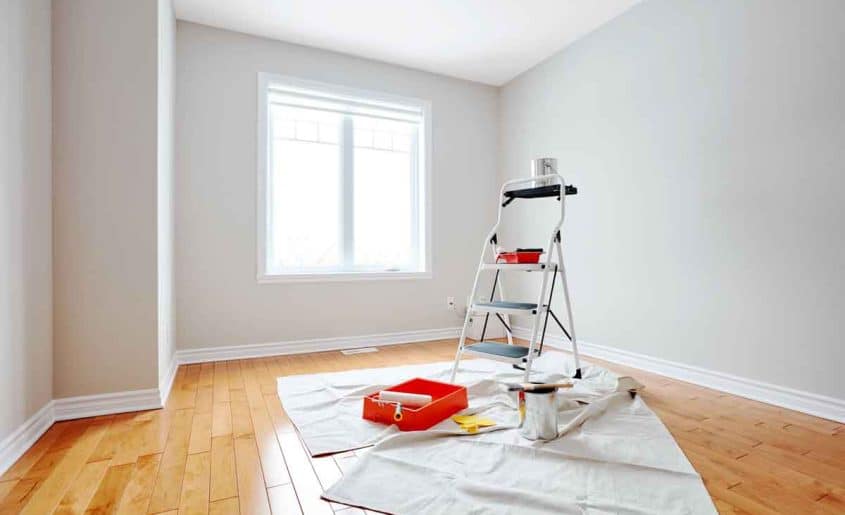
Fresh paint changes a home’s feel. Walls affect light, mood, and comfort every single day. Over time, even the best finish starts to fade, mark, or lose its clean look. Knowing when to repaint helps keep interiors sharp, tidy, and well cared for.
General Repainting Timeframes for Interior Spaces
Most homes benefit from repainting interior walls every three to five years. This range suits standard living conditions, neutral colours, and quality paint. Some rooms last longer. Others demand attention far sooner. Wear, moisture, sunlight, and daily use all play a role. Ceilings often last longer than walls. Trim, doors, and skirting boards need more frequent care due to knocks and scuffs. Paint does not fail all at once. It dulls, chips, and stains gradually.
Living Rooms and Dining Areas
Living rooms and dining spaces usually need repainting every four to five years. These rooms are used regularly, but with less direct wear. Neutral tones hold up well. Dark colours show dust and marks faster. Sunlight causes fading, especially on feature walls near windows. Fireplaces create soot marks. Hand contact near switches and corners leaves oils and smudges. When walls look tired even after cleaning, repainting restores balance and warmth.
Bedrooms and Low-Traffic Rooms
Bedrooms last longer. Adult bedrooms often stay presentable for five to seven years. Children’s bedrooms need repainting sooner, often every two to three years. Crayon marks, scuffs, and changing tastes shorten the life of paint. Guest rooms may last even longer. Less use means less wear. Pale colours help maintain a fresh feel. Strong colours fade quickly and prompt earlier repainting.
Kitchens and Bathrooms
Kitchens and bathrooms demand frequent attention. Repaint these rooms every two to four years. Heat, steam, grease, and moisture break down paint faster. Even specialist finishes wear over time. Peeling, bubbling, or mould spots signal the need for action. Wipe marks around hobs, sinks, and taps also reduce visual appeal. Proper preparation and moisture-resistant paint extend lifespan, but no finish lasts forever in these conditions.
Hallways, Staircases, and Entrances
High-traffic areas suffer the most. Hallways, staircases, and entrances often need repainting every two to three years. Shoes, bags, coats, and hands constantly brush against walls. Corners darken. Scuffs appear at hip height. Stair walls show marks from repeated contact. Durable paint helps, yet frequent repainting keeps these areas welcoming rather than worn.
Signs Your Interior Needs Repainting
Time alone does not decide. Visual cues matter more. Fading colour signals paint breakdown. Peeling or cracking shows adhesion failure. Stains that refuse to clean away point to absorbed dirt. Chips around doors and skirting boards spoil the finish. Patchy touch-ups create uneven tones. When walls are dull despite good lighting and furniture, repainting offers a clean reset.
Paint Quality and Previous Workmanship
Quality paint lasts longer. Cheap paint thins quickly, marks easily, and fades faster. Skilled application also matters. Poor preparation shortens lifespan, no matter the brand. A professional painter and decorator ensures proper surface prep, even coverage, and sharp edges. Good work reduces how often repainting becomes necessary and keeps rooms looking crisp for years.
Lifestyle and Household Factors
Homes with pets, children, or frequent guests need more regular repainting. Smoke, candles, and cooking fumes affect wall colour. Rented properties also see faster wear due to higher turnover. Minimalist homes with careful use stretch repainting cycles. Busy households shorten them. Paint schedules should match real living patterns, not ideal conditions.
Final Thoughts on Interior Repainting Frequency
Repainting interiors keeps a home clean, modern, and pleasant. Most rooms fall within a three to five-year cycle, with busy or damp areas needing earlier care. Watch for wear. Respond before damage sets in. Fresh paint lifts rooms instantly. It protects surfaces. It keeps spaces inviting. A clear repainting plan saves money, time, and effort while maintaining a strong visual appeal throughout the home.







Comments