
 By
By 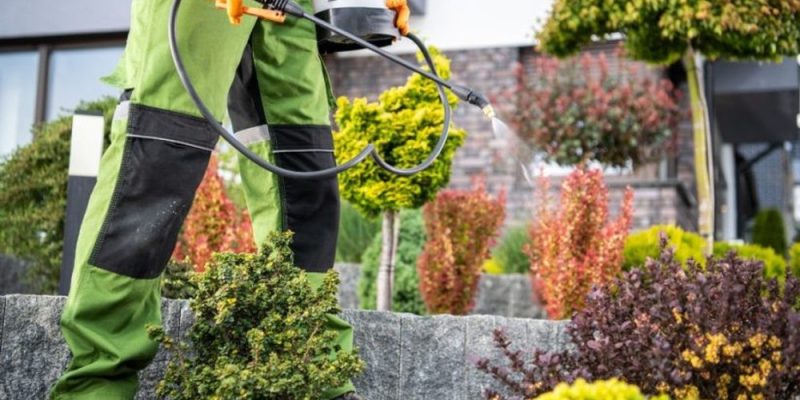
Spring in Huntsville, Alabama offers blooming dogwoods and warmer afternoons. But it can also trigger an increase in pest activity that can catch unprepared homeowners off guard. Huntsville’s position in the Tennessee Valley makes it a pest-active region in the Southeast. But local pest control professionals at palisadepest.com understand these patterns. Their spring strategies reflect decades of experience with the unique pest-related challenges the area faces each year.
Why Pest Management is Important in Spring
Spring can be a turning point in the annual pest cycle. Overwintered populations emerge hungry and ready to reproduce when temperatures rise. There is a narrow window for effective intervention, so homeowners must act quickly.
- Termite swarm season peaks in Alabama between March and May. The Alabama Cooperative Extension System identifies subterranean termites as the most economically destructive pest in the state. Annual damage costs across the U.S. exceeding $5 billion according to the National Pest Management Association.
- Mosquito populations begin to breed once temperatures hold above 50°F. The Tennessee Valley Authority’s waterways and Huntsville’s numerous creeks provide abundant standing water, which is a prime habitat for mosquito larvae.
- Ant colonies expand rapidly in warm soil. Fire ants, carpenter ants, and odorous house ants become aggressive foragers in spring. Fire ants are responsible for an estimated $6 billion in annual damage and medical costs nationwide per USDA data.
- Cockroach reproduction accelerates with warmth and humidity. American and German cockroach species thrive in Huntsville’s spring climate. The World Health Organization has linked cockroach allergens to asthma symptoms in urban and suburban homes.
The Professional Inspection Process
Licensed Huntsville pest control technicians at Palisade Pest Control begin with a comprehensive property assessment designed to identify active infestations and conditions that invite future ones:
- Exterior perimeter evaluation. Professionals examine foundation walls, crawl space vents, drainage patterns, and landscaped areas where mulch or debris may harbor termites, ants, or roaches.
- Interior inspection. Experts pay attention to kitchens, bathrooms, laundry rooms, and attics. They look for droppings, shed wings (a sign of termite swarms), and structural damage that suggests ongoing pest activity.
- Moisture meters and thermal cameras. Many Huntsville pest companies use technology to locate hidden moisture pockets and pest colonies within walls.
Targeted Treatment Strategies for North Alabama
Once the inspection is complete, Huntsville professionals develop treatment plans tailored to the property’s specific needs. Their strategies reflect the local pest landscape and current best practices:
- Integrated Pest Management (IPM) serves as the foundation. The EPA endorses IPM as the most effective and environmentally sound approach. Huntsville professionals combine habitat modification, exclusion work, biological controls, and targeted chemical application.
- Termite prevention takes priority in spring. Professionals install or refresh bait station systems around the property perimeter and apply liquid termiticide barriers where swarm evidence or prior damage exists. Alabama law requires a Wood Infestation Report for most real estate transactions.
- Exterior barrier treatments reduce indoor invasion. A carefully applied residual product around the home’s perimeter creates a chemical boundary that intercepts ants, spiders, and roaches before they reach interior spaces.
- Mosquito reduction programs address the full life cycle. Professionals treat standing water sources with larvicide and recommend drainage improvements to eliminate future breeding sites.
The Value of Local Expertise
Local professionals bring knowledge that national chains and generic treatment plans cannot replicate:
- Familiarity with regional soil composition. The clay-heavy soil common in Madison County interacts differently with liquid termiticides than sandy soils found in southern Alabama.
- Knowledge of Huntsville’s construction trends. Many homes built during the city’s aerospace-driven growth booms feature slab-on-grade foundations or specific crawl space designs that require adapted treatment methods.
- Awareness of seasonal pest behavior guides service schedules. A technician who has worked through multiple Huntsville springs knows when termite swarms will peak, when fire ant mounds will appear, and when mosquito pressure will intensify.








Comments