
 By
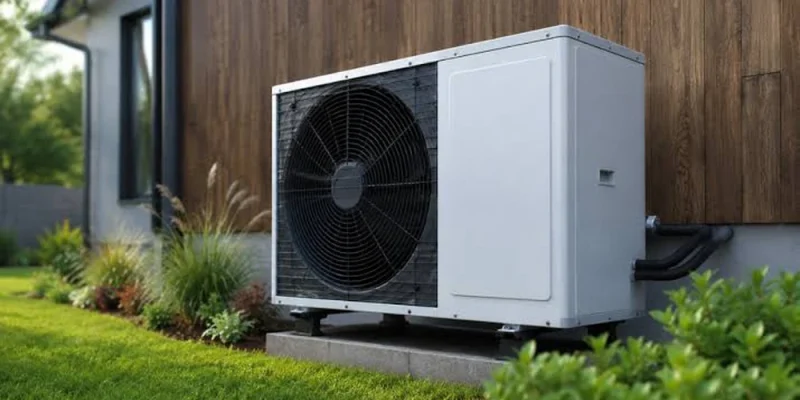
A heat pump does more than heat or cool your home. It moves heat from one place to another using refrigerant. For this process to work properly, refrigerant must flow through the system at the correct rate and in the right direction.
But what happens after a repair? Even when a damaged part has been replaced, the system may not work as expected. That’s why checking refrigerant flow is an important step after certain heat pump repairs.
Why Is Refrigerant Flow So Important?
Refrigerant absorbs heat from one area and releases it in another. During summer, it helps remove heat from your home. In winter, it pulls heat from outdoor air and transfers it indoors.
If refrigerant flow is restricted, too low, or moving incorrectly, the heat pump may struggle to maintain comfortable temperatures. It can also put extra stress on important components, including the compressor.
Which Repairs Require a Refrigerant Flow Check?
Not every heat pump repair requires the same testing. However, certain repairs make a refrigerant flow check especially important.
These include:
- Refrigerant Leak Repairs: When a technician fixes a leak, they must check the system for leaks, restore the correct refrigerant charge, and verify proper operation.
- Compressor Repairs: Since the compressor moves refrigerant through the system, its replacement or repair requires careful performance checks.
- Reversing Valve Repairs: This valve changes the direction of refrigerant flow between heating and cooling modes. A check confirms that it switches correctly.
- Expansion Valve Repairs: A faulty expansion valve can restrict or disrupt refrigerant flow. Testing helps confirm that the replacement works properly.
What Happens During a Refrigerant Flow Check?
So, how does a technician know if everything is working correctly? They use specialized tools to measure refrigerant pressure and pipe temperatures. They may also check superheat and subcooling readings, depending on the system and manufacturer’s instructions.
These measurements help identify restrictions, incorrect refrigerant levels, and other issues affecting performance. The technician can then make adjustments or recommend further repairs if needed.
Why Should You Never Skip This Check?
A heat pump that starts running after a repair isn’t necessarily working efficiently. Poor refrigerant flow can lead to uneven heating or cooling, longer run times, higher energy bills, and unnecessary wear on components.
After certain repairs, professional testing helps confirm that your system is ready to operate safely and reliably.
For dependable heat pump repairs and maintenance, trust HELP Plumbing, Heating, Cooling, and Drains to help keep your home comfortable year-round.




Comments