
 By
By 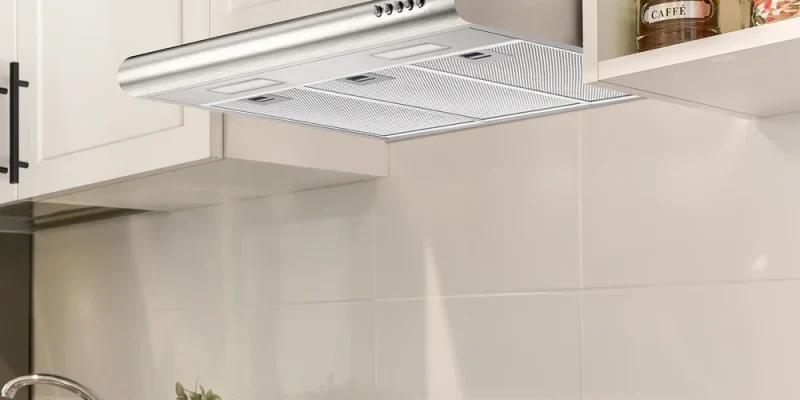
Kitchen ventilation does not have to mean a bulky hood dominating the space above your cooking area. The low profile range hood category offers full extraction capability in a dramatically slimmer package – addressing the needs of compact kitchens, contemporary designs where visual minimalism is a priority, and installations where ceiling height limits the available space for standard hood profiles.
What Makes a Hood Low Profile
A low profile range hood achieves its compact dimensions through engineering choices that reduce the hood body depth without compromising motor capacity. Slim-profile motor configurations, strategically positioned filter housings, and streamlined duct connections all contribute to the reduced visual mass that defines this category.
Performance vs Conventional Hoods
Modern low profile hoods deliver extraction performance comparable to conventional models of equivalent width and CFM rating. The slimmer form factor no longer represents a performance trade-off – engineering advances have decoupled physical bulk from extraction capability. When selecting a low profile hood, compare CFM ratings against conventional alternatives to confirm the specification meets your kitchen’s ventilation requirements. Appliance innovators like Ciarra Nosh Oven have applied this engineering approach across their low profile ventilation ranges.
Ideal Installations
Low profile hoods are particularly well suited to kitchens with standard ceiling heights where a conventional chimney hood would feel visually heavy, apartments and condominiums where building restrictions limit hood depth, and contemporary kitchen designs where a streamlined overhead element is consistent with the overall aesthetic direction.
Installation Considerations
The slimmer profile of a low profile hood may affect duct routing options compared to conventional models. Some low profile designs use smaller diameter duct connections or alternative routing paths. Verify that your planned duct route is compatible with the specific model you are considering before purchase, particularly if working within the constraints of an existing cabinet layout.






Comments