
 By
By 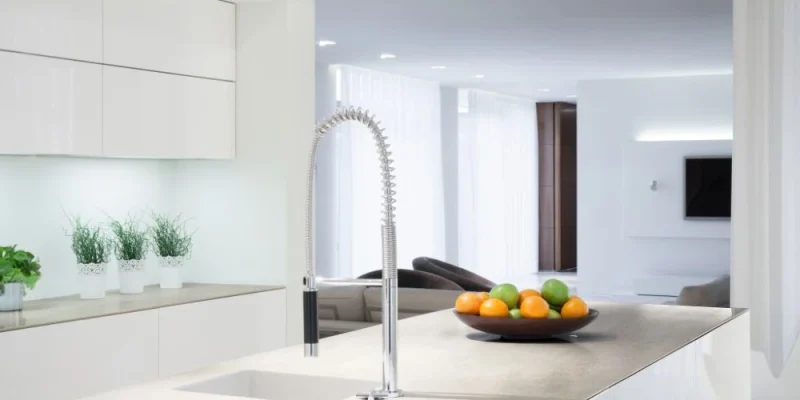
If you’re planning a kitchen remodel, chances are you’ve come across the term dekton quartz while researching countertop materials. Although the phrase is commonly searched online, it often creates confusion because Dekton and quartz are not the same product. Understanding how they differ-and where each one excels-can help you make a smarter investment that enhances both your home’s appearance and its long-term value.
Today’s homeowners expect more from their countertops than ever before. They need surfaces that are durable enough for daily cooking, stylish enough to complement modern cabinetry, and practical enough to require little maintenance. Both Dekton and quartz meet many of these expectations, but knowing their unique characteristics is essential before making a final decision.
What Does “Dekton Quartz” Actually Mean?
Many people assume Dekton is simply another type of quartz countertop. In reality, the two materials are manufactured differently.
Quartz countertops are engineered using natural quartz crystals combined with polymer resins and pigments. The result is a strong, non-porous surface available in hundreds of colors and patterns.
Dekton, meanwhile, is created through a sophisticated process called particle sintering. Manufacturers combine porcelain, glass, quartz, and other mineral materials under extremely high pressure and temperatures, creating an ultra-compact surface with remarkable physical properties.
Understanding this distinction is the first step toward selecting the right countertop for your home.
1. Exceptional Scratch Resistance
One of Dekton’s strongest advantages is its hardness.
Kitchen countertops endure constant use-from meal preparation and heavy cookware to small appliances and everyday family activities. Dekton’s dense composition makes it highly resistant to scratches, helping maintain its original appearance even after years of regular use.
While cutting boards should always be used to protect kitchen knives, accidental scratches are much less likely than with many traditional countertop materials.
2. Outstanding Heat Performance
Heat resistance is another feature that separates Dekton from many engineered surfaces.
Hot pots, baking sheets, and cookware can expose countertops to extreme temperatures. Because Dekton is manufactured under intense heat, it tolerates thermal stress exceptionally well.
Quartz also performs well in normal kitchen environments, but prolonged exposure to excessive heat may affect the resins that bind the material together. For homeowners who cook frequently, this difference can become an important deciding factor.
3. Minimal Maintenance
Busy families appreciate countertops that don’t demand ongoing care.
Unlike natural stone surfaces that often require periodic sealing, Dekton remains virtually maintenance-free throughout its lifespan.
Routine care generally includes:
- Wiping surfaces with warm water and mild soap.
- Cleaning spills promptly.
- Avoiding highly abrasive cleaning products.
- Using soft cloths for everyday maintenance.
These simple habits help preserve the countertop’s appearance without adding expensive maintenance requirements.
4. Beautiful Design Options
Functionality matters, but aesthetics play an equally important role during a remodeling project.
Modern Dekton stone surfaces are available in finishes inspired by marble, concrete, limestone, wood, and industrial materials. Large-format slabs also minimize visible seams, creating a cleaner, more luxurious appearance on oversized kitchen islands.
Whether your home features contemporary architecture or traditional design, Dekton offers finishes capable of complementing nearly every interior style.
5. Excellent Resistance to Stains
Cooking creates inevitable spills.
Coffee, wine, cooking oils, vinegar, fruit juices, and tomato sauce frequently come into contact with kitchen countertops.
Because Dekton has an extremely low absorption rate, liquids remain on the surface instead of penetrating the material. This makes cleanup easier while reducing concerns about permanent staining.
For homeowners who entertain regularly or cook elaborate meals, stain resistance adds valuable peace of mind.
6. Indoor and Outdoor Versatility
Few countertop materials perform equally well inside and outside the home.
Dekton’s resistance to ultraviolet light makes it an excellent choice for:
- Outdoor kitchens
- Covered patios
- Poolside entertainment areas
- Outdoor dining spaces
- Barbecue stations
Unlike some engineered surfaces that may discolor after years of direct sunlight, Dekton maintains its appearance in challenging outdoor environments.
This flexibility allows homeowners to create a consistent design language throughout both interior and exterior living spaces.
7. Long-Term Investment Value
Countertops are not replaced frequently.
Choosing premium materials during a remodel often provides better long-term value than selecting products based solely on their initial price.
Because Dekton resists scratches, stains, fading, moisture, and heat damage, homeowners often spend less on repairs and maintenance over the life of the countertop.
Combined with its premium appearance, this durability may also contribute to stronger resale appeal.
8. Professional Installation Is Essential
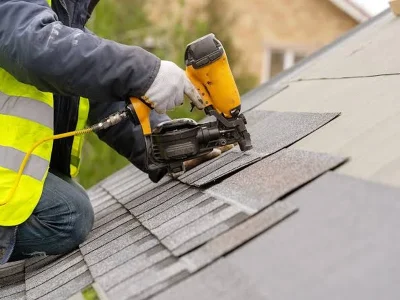
Although Dekton is incredibly durable after installation, fabricating the material requires specialized equipment and experienced professionals.
Precise measurements, accurate cutting, and proper structural support all contribute to the countertop’s long-term performance.
Working with qualified remodeling contractors ensures clean seams, properly finished edges, and an installation that complements cabinetry, appliances, and backsplashes.
Investing in expert craftsmanship is every bit as important as selecting the right material.
9. Planning Your Remodel Carefully
Countertops should never be selected in isolation.
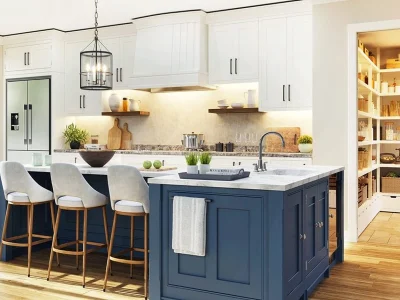
Successful kitchen renovations consider the relationship between cabinetry, flooring, lighting, backsplash materials, appliances, and traffic flow throughout the room.
Many homeowners gather ideas by studying successful california remodels that demonstrate how premium countertop materials work alongside thoughtful layouts and modern design principles.
Taking time to evaluate complete kitchen designs often leads to better decisions than focusing exclusively on countertop samples.
Final Thoughts
The phrase dekton quartz may suggest that the two materials are identical, but understanding their differences allows homeowners to make far more informed remodeling decisions. Dekton stands out because of its exceptional resistance to heat, scratches, UV exposure, and stains, while engineered quartz continues to be a popular choice for its versatility and broad range of colors.
Ultimately, the best countertop is the one that fits your cooking habits, maintenance preferences, design goals, and long-term plans. By investing in quality materials and professional installation, you’ll create a kitchen that remains beautiful, functional, and enjoyable for many years to come.








Comments