
 By
By 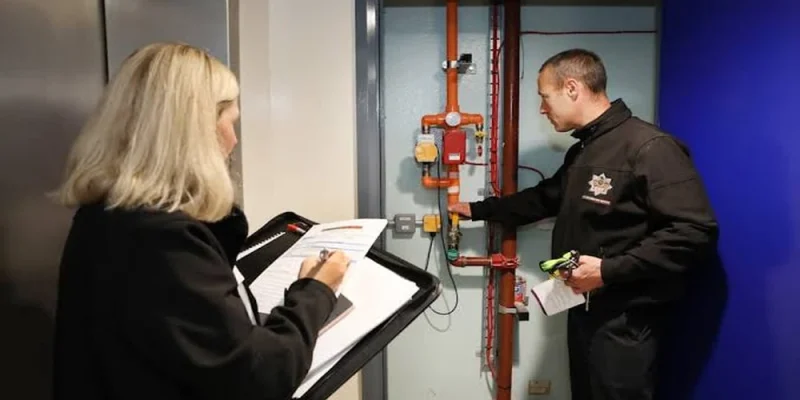
Commercial kitchens carry fire risks that most other business premises simply don’t face. Open flames, hot oil, extraction systems clogged with grease, and constant staff movement in tight spaces all combine to create genuine hazards that standard fire safety measures don’t fully address. Restaurant owners need to understand these specific requirements rather than assuming general fire safety guidance covers everything.
Extraction and Ventilation Systems
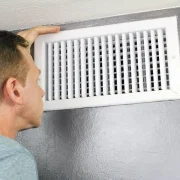
Kitchen extraction systems accumulate grease over time, and that grease is highly flammable. Regular cleaning, typically every three to twelve months depending on usage intensity, isn’t optional maintenance. It’s a fire safety requirement under TR19 guidelines, and failing to maintain a clean extraction system is one of the most common causes of commercial kitchen fires spreading rapidly once ignited. Insurance companies increasingly ask for cleaning certificates as proof of compliance before paying out on any fire-related claim.
Fire Suppression Systems Above Cooking Equipment
Automatic fire suppression systems fitted directly above fryers, grills and ranges detect heat or flame and discharge a suppressant designed specifically for kitchen fires, which behave differently from standard fires due to burning oil and fat. These systems need regular servicing, usually every six months. The staff need to know how the systems work even though they activate automatically. A suppression system that’s never been serviced is a liability waiting to surface at the worst possible moment.
Fire Doors and Escape Routes
Kitchens often sit at the back of a building, sometimes with only one practical route to a fire exit through a space full of equipment and staff. Escape routes must stay clear at all times, which sounds obvious but gets forgotten during busy service when boxes, bins or extra stock end up blocking corridors. Fire doors throughout the kitchen and dining areas need to close fully and shouldn’t be wedged open, regardless of how inconvenient it feels during a hectic shift.
Staff Training Specific to Kitchen Risks
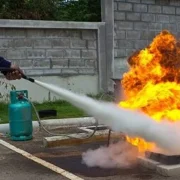
General fire safety training doesn’t adequately prepare kitchen staff for the specific risks they face daily. Staff need to know how to handle a chip pan fire without using water, which class of fire extinguisher applies to burning oil, and when to use a fire blanket instead. This training needs refreshing, not just delivered once during induction and forgotten.
Gas Safety and Fire Risk Overlap
Commercial kitchens using gas appliances require annual gas safety checks by a Gas Safe registered engineer, and this overlaps with fire risk since faulty gas equipment is a genuine ignition source. Carbon monoxide detectors, separate from smoke alarms, are equally important in kitchen environments where gas appliances run for extended periods throughout service.
The Role of Regular Fire Safety Inspections
Restaurants face higher scrutiny than many other commercial premises. It’s because of the elevated risks involved, and regular fire safety inspections catch problems before they escalate into genuine emergencies. These checks should cover extraction cleanliness, suppression system function, extinguisher accessibility and staff knowledge, not just a visual walk-through of the dining area.
Storage of Flammable Materials
Cooking oils, cleaning chemicals and packaging materials all need proper storage away from heat sources and ignition points. A build-up of cardboard boxes near a hot surface, or oil stored too close to a grill, creates risks that inspectors specifically look for because they’re common contributing factors in commercial kitchen fires.
Keeping Compliance Consistent
Fire safety in a restaurant isn’t a one-off task completed when the business first opens. It needs consistent attention through staff turnover, equipment changes and seasonal menu shifts that might introduce new cooking methods or equipment. Restaurants that build fire safety into daily routines, rather than treating it as an annual inspection to prepare for, run considerably safer kitchens and face far fewer surprises when inspection day arrives.





Comments