
 By
By 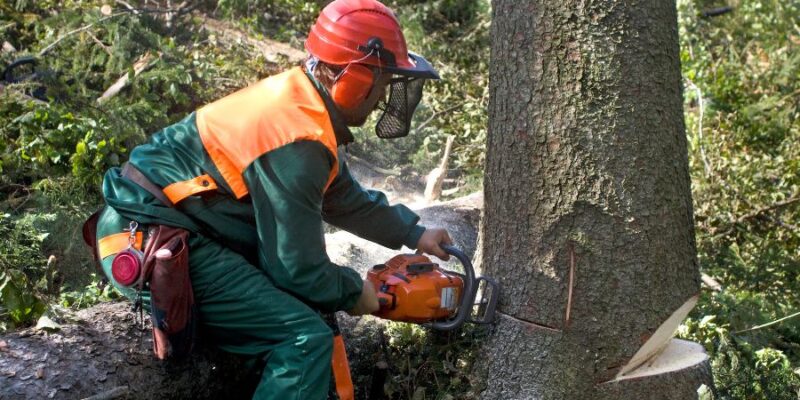
Tree removal in the United Kingdom varies widely in price. Size, location, species, and access all influence the final cost. Some trees take an hour to dismantle. Others require cranes, rigging systems, and multiple arborists. Property owners therefore see prices ranging from modest garden jobs to complex removals costing several thousand pounds. Understanding the factors behind the price helps homeowners plan and avoid unexpected charges.
Homeowners should also understand legal responsibilities when removing trees. Guidance on protected trees and permissions can be found in the UK government guidance on Tree Preservation Orders, which explains when approval from the local council is required.
Average Tree Removal Cost in the UK
Most UK households pay between £250 and £1,500 for professional tree removal. Small ornamental trees often cost less, while mature trees demand specialist equipment and experienced climbers.
Typical price ranges include:
- Small tree removal (under 5 metres): £150 – £350
- Medium tree removal (5 to 10 metres): £350 – £750
- Large tree removal (10 to 20 metres): £750 – £1,500
- Very large tree removal (20+ metres): £1,500 – £3,000+
These figures reflect standard garden conditions with good access to the tree. Tight urban spaces or trees near buildings increase labour time and safety precautions, which pushes the price higher.
Professional arborists include cutting, dismantling, and basic debris removal in the quote. Stump removal, log splitting, and site clearance often appear as additional services.
Tree Size and Height Drive the Cost
Tree size remains the strongest factor in pricing. Larger trees require more labour, longer working time, and advanced rigging.
A small apple or ornamental cherry tree may come down in under an hour. A large oak or beech tree may require half a day or more with several climbers.
Arborists work in sections. They climb, cut, and lower branches using ropes. Each piece must land safely. The bigger the tree, the more sections the crew must control.
Height also increases risk. Workers operate above ground, often close to roofs, fences, or power lines. Safety measures increase accordingly.
Tree Location Changes the Price
Location affects difficulty. A tree in an open garden costs less to remove than a tree in a tight courtyard or behind a terraced house.
Key access issues include:
- Narrow pathways
- No vehicle access
- Nearby structures or greenhouses
- Overhanging branches above roofs
- Trees close to power lines
Restricted access forces the team to carry debris through the property by hand. That adds labour time and raises the quote.
Urban properties in cities such as London, Birmingham, or Manchester often see higher removal costs due to access constraints and permit requirements.
Tree Species Matters
Some trees demand extra effort due to their density or growth pattern. Oak, sycamore, and beech produce heavy timber and thick limbs. Arborists must cut smaller sections and control each drop carefully.
Fast-growing trees such as conifers, leylandii, and poplars often grow tall and narrow. They may require specialised dismantling techniques when located close to property boundaries.
Species also affect waste volume. Dense hardwood produces heavier loads, which increases disposal costs.
Emergency Tree Removal Costs
Storm damage creates urgent situations. Fallen or unstable trees endanger buildings, vehicles, and public safety.
Emergency call-outs cost more because crews must respond quickly, often outside standard hours. Prices typically range from £500 to £2,500, depending on complexity and equipment needs.
Dangerous removals may involve cranes or mobile elevated work platforms. These machines increase both safety and cost.
Stump Removal and Grinding
Tree removal often leaves a stump behind. Property owners request stump grinding to restore the garden.
Typical stump grinding prices include:
- Small stump: £60 – £120
- Medium stump: £120 – £250
- Large stump: £250 – £500
Grinding machines shred the stump into wood chips below ground level. This method prevents regrowth and allows replanting or landscaping.
Some homeowners choose to keep the stump to reduce costs. However, stumps may attract pests or fungi over time.
Waste Removal and Timber Disposal
Tree removal generates large volumes of branches, logs, and wood chips. Disposal costs depend on volume and transport.
Many arborists offer two options:
- Full waste removal, where the crew clears everything from the site.
- Log retention, where the homeowner keeps cut timber for firewood.
Full clearance usually adds £50 to £300. Retaining logs reduces the cost and provides free firewood.
Wood chippers allow teams to reduce branches. The chips often serve as mulch for gardens.
Tree Preservation Orders and Permissions
Some trees fall under Tree Preservation Orders (TPOs) or grow within conservation areas. Local councils protect these trees to preserve the landscape character.
Property owners must apply for permission before removal. Failure to obtain approval can lead to fines.
A qualified arborist checks local regulations before work begins. The application process may take several weeks, which affects project timing.
Professional Arborist vs DIY Tree Removal
Tree removal demands skill and safety awareness. Chainsaws, climbing gear, and heavy timber present real risks.
Professional tree surgeons carry:
- Public liability insurance
- Specialist climbing equipment
- Chainsaw certification
- Waste disposal licences
DIY removal may appear cheaper. However, accidents, structural damage, or incorrect cutting techniques can lead to much higher costs.
Professional crews remove trees quickly and safely while protecting surrounding structures and garden features.
Typical Total Costs for UK Tree Removal
Most homeowners spend around £400 to £900 for a standard garden tree removal with waste clearance. Large or complex jobs can exceed £2,000 when cranes, road closures, or extensive dismantling become necessary.
Clear quotes should include labour, equipment, waste handling, and safety measures. Reputable tree surgeons inspect the site before providing a fixed price.
Understanding these cost factors allows property owners to plan effectively and select experienced professionals who complete the job safely and efficiently.








Comments