
 By
By 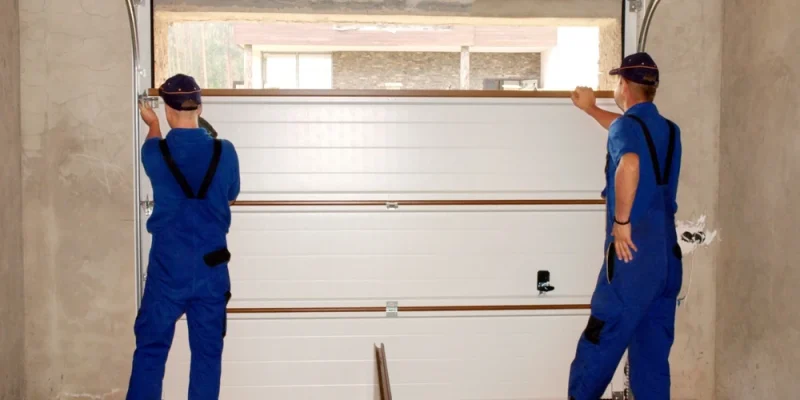
Cold drafts sneaking into your garage can quietly sabotage your home’s comfort and energy bills. The humble weather seal along your garage door is often overlooked, yet it plays a critical role in keeping your interior climate stable and your heating costs under control.
Why Garage Door Weather Seals Matter for Energy Efficiency
Garage door weather seals, also known as weatherstripping, create a barrier that prevents outside air, moisture, and pests from entering your garage. By maintaining a tight seal, you reduce the strain on your heating or cooling systems and prevent costly temperature fluctuations. An efficient seal doesn’t just mean comfort, but real savings over time.
Ignoring weather seal maintenance can lead to rapid energy loss, especially in colder months. Cracks or gaps may go unnoticed until you spot a rise in heating bills or feel a chill every time you step into the garage. Poorly sealed doors can even allow water to seep in, damaging stored items and the door itself.
Types of Garage Door Weather Seals
Different areas of your garage door require specific seals. Bottom seals attach to the lower edge of the door, flexing to contour with uneven concrete. Side and top seals, installed along the vertical and horizontal edges, stop wind and moisture from creeping in around the frame.
Materials matter, too. Rubber seals are flexible and handle extreme temperatures well, while vinyl offers affordability and reasonable weather protection. Silicone seals typically last the longest and resist hardening, making them ideal for harsh climates.
Signs Your Garage Door Weather Seals Need Attention
Some red flags are easy to spot. If you see cracks, tears, or misshapen strips along the edges or bottom of your garage door, your seals are overdue for maintenance. Less visible issues include a noticeable draft, sudden moisture buildup, or fluctuating temperatures in your garage. In some cases, defective seals can accelerate the wear and tear of your door panels, compromising insulation and structural stability.
Methods to Maintain and Repair Weather Seals
Routine cleaning and visual inspections are your first line of defense. Remove debris and dirt with a mild soap solution and check for hardening or crumbling material. Lubricate the seals with a product recommended by your door manufacturer to keep them pliable.
If you spot minor gaps or damage, weather seal repair kits are widely available for easy DIY fixes. However, if seals are brittle, torn, or detached, replacement is often the best solution. Deciding between do-it-yourself and professional help depends on your comfort level. DIY replacements can save money, but lack of experience may lead to improper installation and recurring issues.
For those preferring peace of mind, expert services such as Dor Docteur réparation porte de garage offer prompt and skilled assistance for all types of garage door seal problems. Their professionals ensure that seals are fitted correctly, maximizing energy efficiency and prolonging the life of your door.
Comparative Analysis of Weather Seal Maintenance Approaches
Preventive maintenance, regularly checking and cleaning your weather seals, minimizes the risk of sudden failures and unplanned expenses. Scheduled inspections can catch early wear, allowing for simple repairs before small problems escalate.
Reactive maintenance, on the other hand, often leads to higher costs. Ignoring seals until a failure occurs can mean more extensive repairs, additional damage to hardware or panels, and spikes in energy usage. Relying solely on DIY approaches can work for minor issues, but professional maintenance usually yields better efficiency and longer-lasting results.
Impact of Weather Seal Condition on Overall Garage Door Performance
A well-maintained weather seal directly impacts your monthly energy bills, reducing air leaks that force your HVAC system to work harder. Poor seals can also strain the door’s hardware and moving parts, increasing the likelihood of mechanical failure. Security shouldn’t be overlooked either; damaged seals weaken the door’s barrier, making it easier for pests or even intruders to gain access.
Choosing Quality Weather Seal Products and Services
When selecting new weather seals, consider your region’s climate. Rubber and silicone perform better in areas with temperature extremes or moisture, whereas lighter-duty vinyl may suffice in milder conditions. Research the reputation of repair providers, focusing on responsiveness, expertise, and quality of materials used. Investing in premium seals and reputable services up front usually results in fewer headaches and lower costs long-term.
Final Recommendations for Sustained Energy Efficiency
Consistent inspection and gentle cleaning extend the life of your garage door weather seals. Replace seals at the first sign of significant damage or when they lose flexibility. Integrating weather seal checks into your annual garage door maintenance routine ensures your home remains energy-efficient and comfortable. For complex repairs or if you’re uncertain about installation, don’t hesitate to call in the professionals, expert attention today prevents expensive problems tomorrow.



Comments