
 By
By 
Why Low Water Pressure Is More Serious Than It Seems
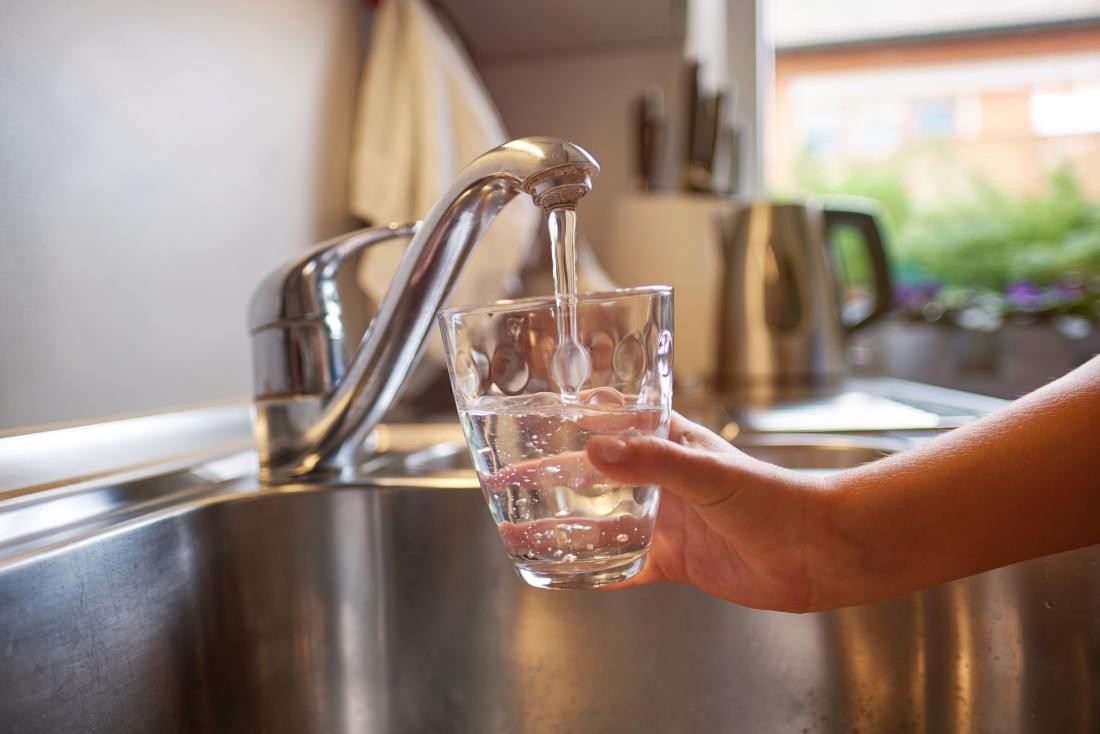
Low water pressure can show up slowly or all at once, and either way, it makes everyday tasks more difficult. Showers feel weak, sinks take longer to fill, and appliances like dishwashers and washing machines do not work as well as they should. Many homeowners think low pressure is just an inconvenience, but it often points to hidden plumbing issues that need attention. Understanding the real causes behind weak water pressure helps you decide whether it is something you can fix or a sign you need to call a professional.
Low water pressure can affect the entire home or just certain fixtures. When only one faucet has weak flow, the problem is usually close to that fixture. But when several areas of the home have the same issue, the cause is often deeper in the plumbing system. Low pressure is one of the first signs of leaks, blockages, or aging pipes. Knowing what to look for can help you stop these problems early before they become costly repairs.
Common Reasons Water Pressure Drops
One of the most common causes of low water pressure is mineral buildup. Hard water leaves deposits inside pipes and fixtures, narrowing the passageway and slowing the flow of water. Over time, faucets and showerheads can become clogged with these minerals until the pressure drops noticeably. Another common issue is a partially closed shut-off valve. If the main shut-off valve or the one near the water meter is not fully open, it restricts how much water can enter the home.
Leaks are another major cause. Even a small leak can lower water pressure because water escapes before reaching the fixtures that need it. Leaks often happen behind walls, under floors, or underground, so you may not see water even if the leak is active. Corroded pipes are another hidden cause. As pipes age, they rust from the inside out, creating rough surfaces that trap debris and slow water flow.
Water supply problems from the city can also lead to low pressure. If there is work being done on the water lines or if demand is unusually high in your neighborhood, pressure can drop temporarily. Clogged aerators in faucets, failing pressure regulators, and blockages in the main line can also cause this issue. In homes with older plumbing, low pressure often points to pipes that need replacement.
Simple Fixes You Can Try at Home
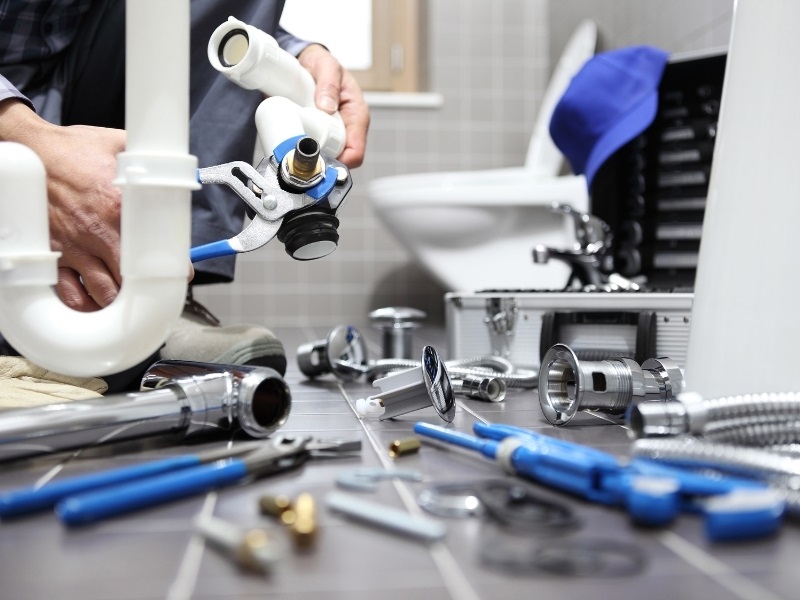
There are a few steps you can take before calling a plumber. First, check the aerators on your faucets. Unscrewing them and cleaning out the debris can improve pressure right away. Next, test multiple fixtures around your home. If only one area has low pressure, the problem is probably close to that fixture, such as a clogged showerhead or a blocked valve.
Make sure the main shut-off valve is fully open. Sometimes valves get bumped or left partially closed after plumbing work. If you have a pressure regulator, check to see if it is functioning properly. You can also test your home’s pressure using a gauge that screws onto an outdoor spigot. This helps you determine whether the problem is inside the home or coming from the city water supply.
Flushing your water heater can sometimes help if sediment buildup is affecting hot water pressure. However, this should be done carefully to avoid damaging the system. If your home has hard water, installing a water softener can prevent future buildup in pipes and fixtures.
When a Professional Needs to Step In
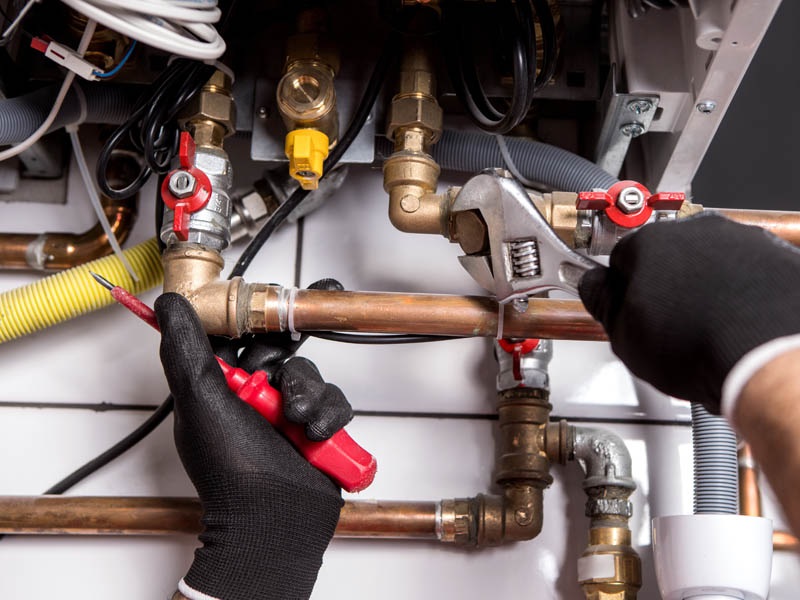
If low water pressure affects the entire home or does not improve after simple steps, it is time to call a professional. A plumber can check for leaks in hidden areas, inspect the main line, test pressure regulators, and look for signs of corrosion inside the pipes. They can also determine whether the water heater is affecting the pressure. Diagnosing these problems correctly is important because improper repairs can cause more damage.
Main line blockages, underground leaks, and aging pipes are issues that require professional tools. A plumber can use cameras to inspect inside the pipes and find the exact cause. They may also spot early signs of pipe failure that a homeowner would never see on their own.
As Jeff Whitaker from Phoenix Plumbing Pros explains, “Low water pressure is often the first sign of a bigger problem. The sooner a plumber finds the cause, the easier and cheaper it is to fix.” Getting help early prevents emergency repairs, protects your home, and restores strong water pressure throughout the house.





Comments