
 By
By 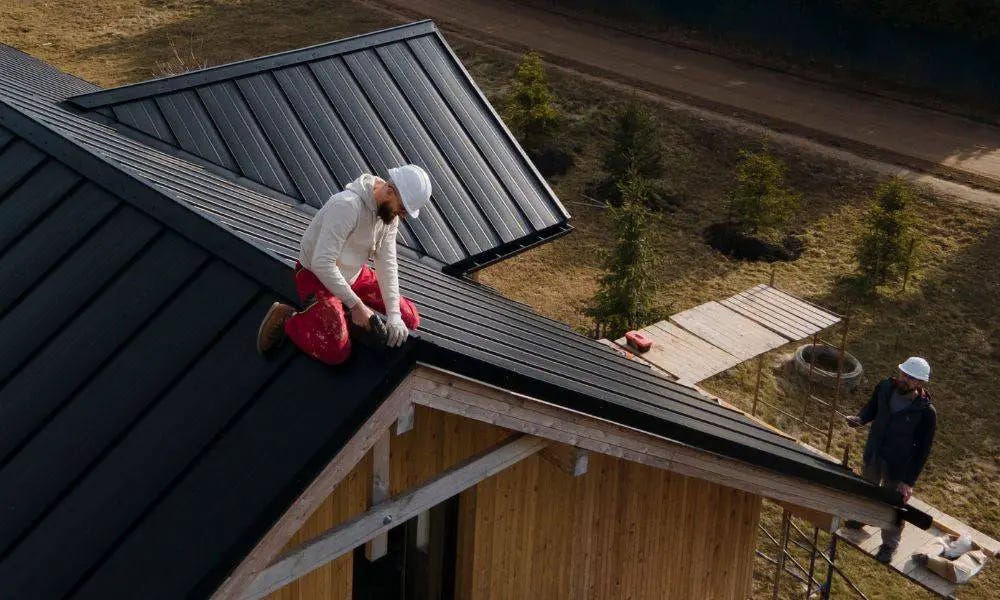
Roof leaks wreck buildings when they are unnoticed. Water gets inside and rots wood, destroys insulation, and grows mould throughout the structure. Catching leaks early stops small issues from becoming reconstruction projects. Several detection methods exist, each working better for particular leak types and roof styles. Using multiple techniques together finds leaks more thoroughly than relying on any single approach before water ruins more of the building.
Leak detection requires pinpointing exactly where water enters. Roof water doesn’t always drip straight down. It travels along beams and sheathing before showing up somewhere else entirely inside. Roof Repair Cape Town use various detection strategies to track leaks back to their real entry points instead of just patching wherever water appears indoors. Good detection saves money by fixing the actual problem instead of guessing and hoping repairs work.
Visual inspection techniques
Looking at roofs from the outside shows obvious damage that lets water through. Shingles are checked for splits, edges lifting up, or pieces missing. The flashing around chimneys, pipes, and skylights is examined for holes or rust. Valleys where two roof sections meet collect leaves and branches that block water flow. What inspectors hunt for:
- Shingles lifted or broken enough to expose what’s underneath
- Flashing is cracked or rotted where it seals the roof openings
- Metal roof seams pulled apart due to expansion and contraction
- Holes or rips in the rubber membrane on flat roofs
- Piles of debris are damming up water instead of letting it drain
Inside, attic spaces show water stains, soaked insulation, or actual dripping. Tracing those stains upward toward the roof deck helps figure out where water originally came through on the exterior.
Infrared camera usage
Thermal cameras spot temperature differences that reveal moisture hiding under roofing materials. Wet insulation and soaked wood show up cooler than dry surroundings. Infrared works best at night after roofs have soaked up the sun all day. Heat stays in dry sections while wet spots stay cool, creating a stark contrast. Thermal scanning covers huge roof areas fast without tearing anything apart. The technology finds multiple leaks in one pass, catching problems invisible to normal inspection. Commercial flat roofs benefit hugely from infrared since membrane leaks rarely damage the visible surface.
Moisture meter application
Electronic meters measure how much water sits in roofing materials. Inspectors push meter probes against decking, insulation, and framing. High readings mean moisture from leaks. Pin meters stick metal probes into materials and measure electrical resistance. Pinless versions use electromagnetic scanning without poking holes. Mapping moisture readings across the roof creates a picture showing wet zones needing repair. Meters catch hidden dampness inside roof layers that look bone dry on the surface. The actual numbers document how bad leaks are and track whether things dry out after fixing.
Smoke pencil detection
Smoke finds air gaps that frequently match where water leaks through. Theater fog machines or chemical smoke sticks make visible vapor. Pump smoke into attic spaces, and it escapes through the roof holes. Watch from outside to see smoke coming out of gaps, cracks, or damaged spots. This works brilliantly around vents, chimneys, and where walls join rooflines. Smoke follows air currents through identical paths water uses during storms. The visible trails make invisible openings obvious. Smoke testing costs almost nothing but finds numerous small leaks at once.
Each method handles different roof types and leak characteristics better than others. Multiple detection approaches ensure accurate leak location before repairs start, avoiding wasted work fixing the wrong spots while real leaks keep destroying the structure.







Comments